


Figure 2.1: The Four Quadrants
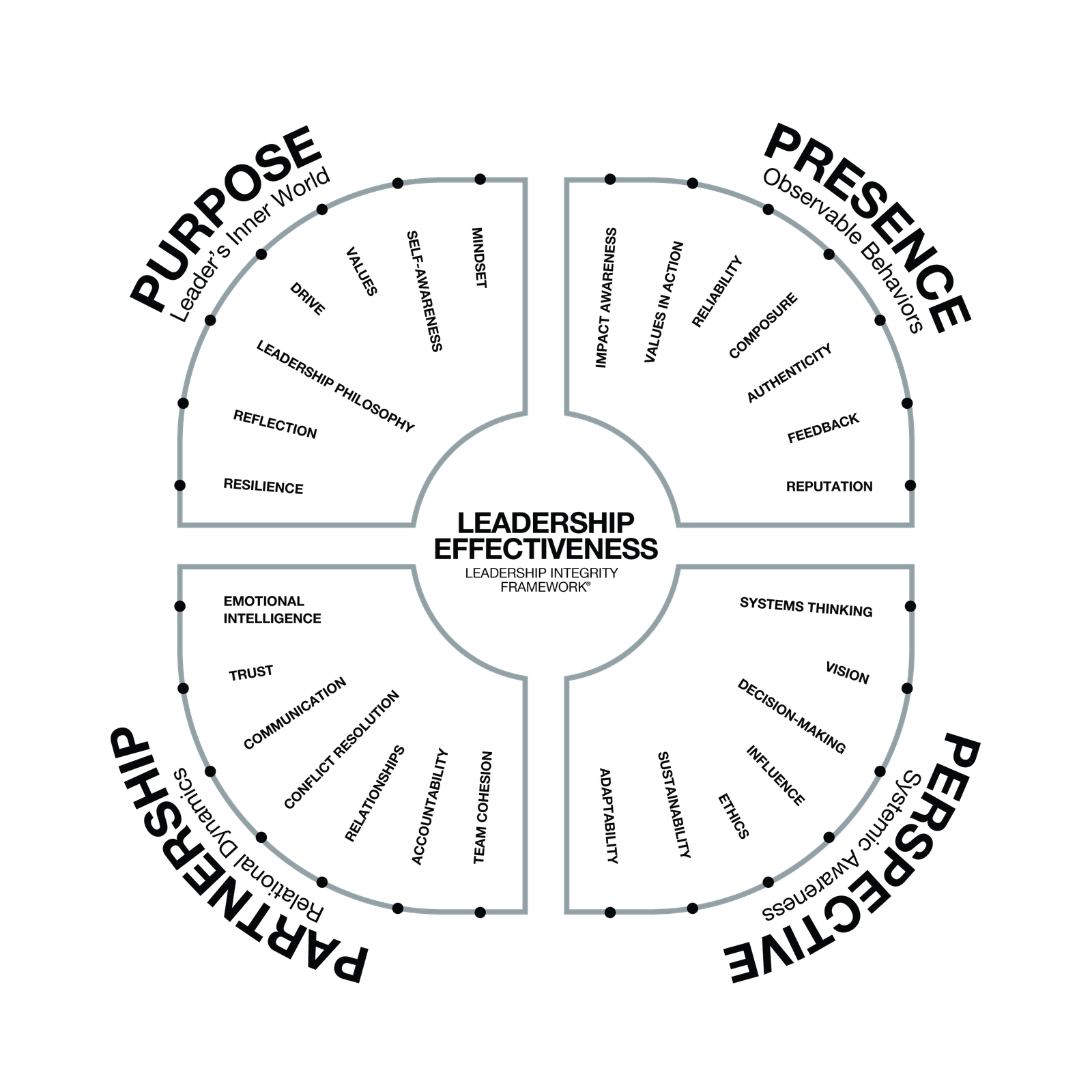
Figure 2.2: The Four Dimensions and Twenty-Eight Elements
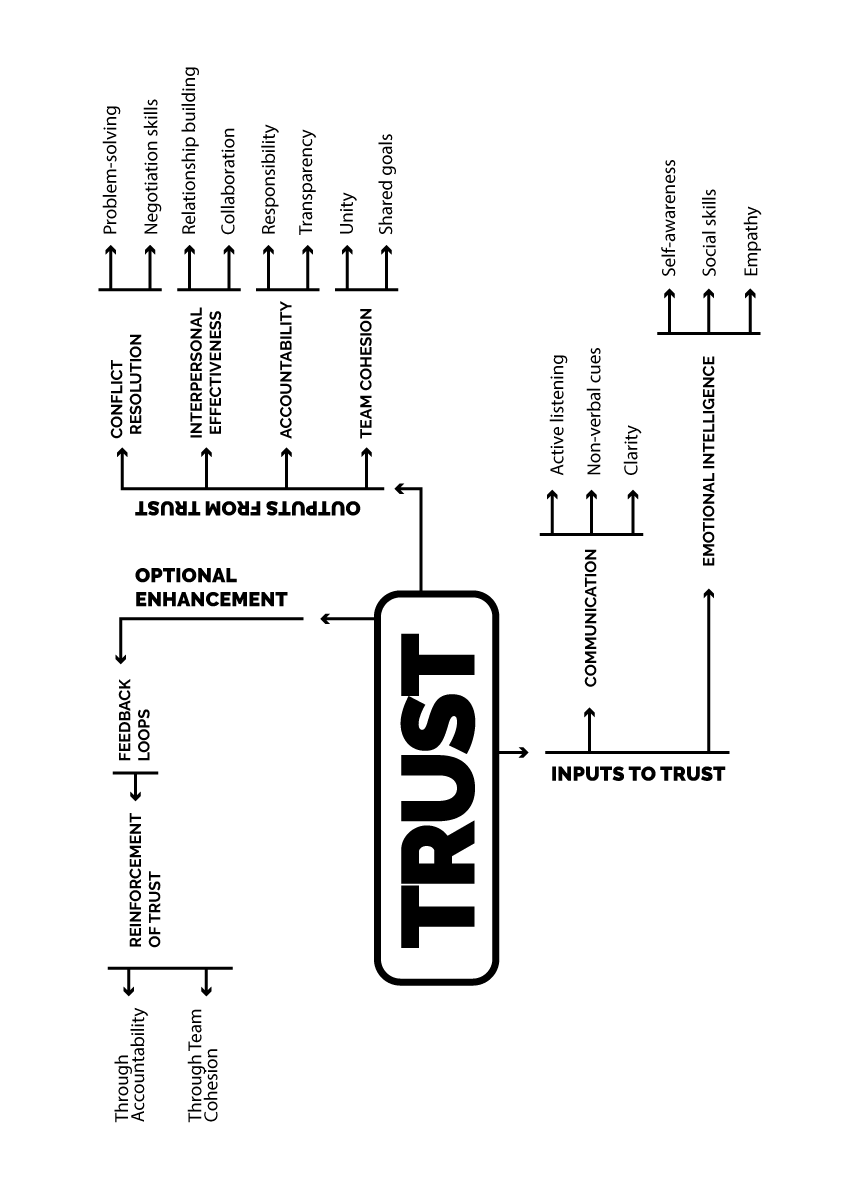
The Trust Model
Definition of Integrity Integrity
Integrity is coherence. It’s the sense of wholeness that comes when your inner clarity, your outer actions, your relationships, and your awareness of systems are in alignment.
Rather than being a fixed trait or a moral claim, integrity is more like a current you can feel and follow. It shows up when your choices echo your values, when your presence reinforces your words, and when your awareness extends beyond yourself.
In the book, integrity means staying connected to yourself, to others, and to the systems you’re in.
Definition of Leadership Integrity
Leadership integrity is the ongoing practice of leading in alignment—with yourself, with others, and with the larger systems you influence.
It is a way of being that harmonizes your personal authenticity, visible actions, relational dynamics, and your strategic awareness.
This kind of leadership doesn’t emerge from mastering one domain. It grows through the integration of many. It calls you to show up fully, stay connected, think systemically, and act with intention. It evolves as you evolve.
Leadership integrity is both a way to stay centered and a commitment to stay true. It grounds you in complexity, builds trust, and makes sustainable leadership possible.